Hit enter to search or ESC to close
Close Search
Emerging Educational Consulting in DenverEmerging Educational Consulting
  • facebook linkedin youtube google-plus instagram
  • search
Menu
search
Menu
  • Home
  • About
  • ADHD Support
    • ADHD Consulting Services
    • Executive Functioning
  • Services
    • College Planning Services
    • Academic Services
    • The Parent Community
    • Executive Functioning
  • Events
    • Upcoming Events
    • Speaking Engagements
  • Blog
  • Podcast
  • Resources
  • Contact
  • CLIENT PORTAL
Cup of Coffee on a Book with Vibrant Cloth
Category

College Transfer

  • View All
  • Application Tips
  • College Admissions
  • College Prep
  • How to Research
  • Resources
  • College Counselors
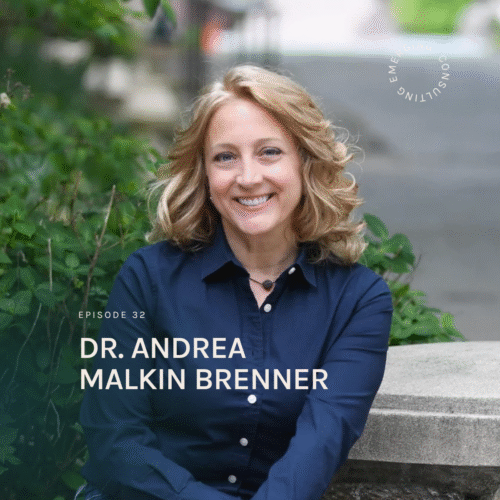
Headshot of Dr. Andrea Malkin Brenner, college transition educator and author of How to College, featured on the Emerging Consulting podcast.
College PrepCollege TransferParentsPodcastResourcestransition
April 21, 2026

How to Prepare for College: What Students & Parents Need to Know (College Transition Tips)

A personal statement essay isn't a résumé in paragraph form — it's a story, told in your real voice. Here's how to write one admissions readers actually remember.
Laura Barr 0
Love0
Now Trending
  • AI in High School Research: The Do’s, Don’ts, and Dangers
  • How to Prepare for College: What Students & Parents Need to Know (College Transition Tips)
  • How to Write a Personal Statement Essay That Actually Sounds Like You
  • Beyond the Basics: Why the Anti-Boring Approach™ is the Future of Executive Function Coaching
  • The Out-of-the-Box Guide to College Visits: A Real-World Campus Audit
Free Download

    Categories
    • ADHD
    • Application Tips
    • College Admissions
    • College Counselors
    • College Prep
    • College Transfer
    • How to Research
    • Parents
    • Podcast
    • Resources
    • transition

    Navigate

    • Home
    • About
    • Services
    • Resources
    • Blog
    • Contact
    • Privacy Policy
    • Cookie Policy
    • Data Processing Agreement
    Emerging Educational Consulting Brand Mark

    Creating Holistic Educational Pathways for College-Bound Students

    • facebook
    • linkedin
    • youtube
    • instagram

    Join Us

    Sign up here to keep current on upcoming events and communication.

      © 2005-2025 Emerging Educational Consulting. All Rights Reserved. Brand + Web Design By:
      Thoroughfare Design

      Close Menu
      • Home
      • About
      • ADHD Support
        • ADHD Consulting Services
        • Executive Functioning
      • Services
        • College Planning Services
        • Academic Services
        • The Parent Community
        • Executive Functioning
      • Events
        • Upcoming Events
        • Speaking Engagements
      • Blog
      • Podcast
      • Resources
      • Contact
      • CLIENT PORTAL
      • facebook
      • linkedin
      • youtube
      • google-plus
      • instagram
      Student Journey

      From Overwhelmed to In Control

      Managing High-Capacity Schedules

      The Starting Point

      When coaching began in February, Student was navigating a full academic load alongside an unusually active life outside the classroom — scuba training, international travel to Bali and Belize, competitive games, and a calendar of seminars that often ran late into the evening. Capability wasn’t the issue. Student was curious, articulate, and could think clearly about big ideas once engaged.

      The challenge was executive function: initiating tasks without long warm-ups, keeping routines consistent through disruption, managing sleep and energy, and building study habits that could survive a travel-heavy, high-energy schedule.

      Building Systems That Stick

      The first phase of coaching focused on reducing day-to-day friction. Mentor and Student built a predictable session rhythm: a check-in on sleep and energy, a clear academic focus for the day, and a closing reflection on what worked. That structure became a model Student began applying outside of sessions, too.

      Early wins came quickly. Student learned to preview assignments before diving in, breaking English homework into smaller, more approachable pieces. Math work got a similar treatment: instead of stalling at the first hard problem, Student practiced starting anywhere. The study cycle framework became a touchstone Student referenced independently by mid-month.

      Sleep became a theme. Student began tracking patterns, noticing the direct link between rest the night before and focus the next day. Student stopped treating sleep as background noise and started treating it as a performance variable.

      Managing Complexity Under Pressure

      As the semester sped up, a Bali trip, scuba training, a Belize trip, and a packed game schedule all landed inside the coaching window. Rather than letting sessions collapse under the weight, they treated the chaos as a test case.

      The standout moment came right after international travel. Running on very little sleep and real jet lag, Student still showed up engaged and worked through multiple math problems in a single sitting. Mid-semester, Student also began using sessions more strategically: identifying specific assignments to tackle and explaining their thinking out loud.

      Resilience Through Setbacks

      Not every week was a breakthrough. There were stretches of poor sleep and travel-driven disruptions. What changed this semester was the response. Instead of treating a rough week as a failure, Student began returning to coaching ready to reflect. After the Bali trip, Student and Mentor built lighter-weight routines designed specifically for trip weeks.

      The Finish Line

      By mid-April, Student had:

      • Completed English assignments with clear structure and on-time delivery.
      • Worked through focused math sessions despite jet lag and limited sleep.
      • Independently recalled and applied the study cycle framework.
      • Maintained consistent session attendance through two international trips.
      • Built a travel-ready backup routine.

      What Grew Over the Semester:
      Task initiation. Routine consistency. Self-awareness around sleep and energy. Metacognition. Resilience in the face of disrupted weeks. Self-advocacy in naming what wasn’t working and adjusting.

      With the right support, a capable student moves from reacting to a busy schedule to shaping it — and those habits carry forward long after coaching ends.

      College Student

      From Reactive to Proactive

      A First-Year Engineering Student · Spring 2026

      The Starting Point

      When coaching began in February, our student was a first-year engineering major juggling CAD labs, group design projects, math coursework, and a college success seminar. Capability was never the issue — the student was a strong big-picture thinker. The challenge was activation: getting started, verifying deadlines, prioritizing under pressure, and building systems that could hold up in a demanding semester.

      Building Systems That Stick

      Early sessions focused on reducing daily friction — previewing assignments before diving in, creating documents right away to lower the barrier to starting, and using Google Calendar as an active planning tool rather than a passive record.

      The wins came quickly:

      • A lab caught up and completed the same day it was assigned.
      • Two papers submitted early, both earning full points.
      • 149/150 on a backward planning assignment — and the method was actively being used in real life.
      • Self-advocacy in action: emailing instructors to clarify expectations, rescheduling proactively around conflicts.
      Managing Complexity Under Pressure

      As the semester intensified, the student took on a 33-part individual CAD project — and approached it like a pro. They built a part-numbering system, sorted components by effort level, and estimated realistic work chunks.

      Even better: mid-task, the student paused, noticed they were overcomplicating the work, and simplified. That kind of real-time self-correction is exactly the metacognitive awareness we coach for.

      Resilience Through Setbacks

      Spring break brought real-world challenges — illness, car trouble, and disrupted work time. Instead of spiraling, the student returned to coaching ready to reflect: the calendar hadn’t been checked during the break, and that contributed to the drift. Together, we built backup planning systems for future breaks — a perfect example of a student identifying their own growth edge.

      The Finish Line

      By mid-April, the student had:

      • Successfully presented a hardware Critical Design Review.
      • Contributed to a group engineering project showcased at a public Expo.
      • Cleared a registration hold through advising.
      • Completed fall course registration independently — navigating prerequisites, bus routes, and recitation times in real time.

      What Grew Over the Semester:
      Prioritization. Task decomposition. Proactive calendar use. Self-advocacy. Metacognition. Resilience. Scope management — knowing when something is done versus endlessly refinable.

      The arc of this student’s semester shows what executive function coaching really is: not remediation, but skill-building. With the right support, a capable student moves from reactive and last-minute to proactive and systems-based — and those habits carry forward long after coaching ends.

      Case study based on session notes documented February–April 2026. Names have been changed to protect student privacy.